
Good morning, Sanbornians! Your ever-faithful correspondent returns with another update on the county’s ongoing struggle against nature, which continues to be less of a struggle and more of a slow, leafy surrender.
The rewilding situation mentioned in previous dispatches has not improved. If anything, the vegetation has developed what county officials are diplomatically describing as “enthusiasm,” though several residents have used language that cannot be printed in a publication still technically available at the elementary school.
The South Side Becomes Transitional Green Space
Several neighborhoods on the south side have now been reclassified by the county assessor as “transitional green space.” This is a cheerful bureaucratic way of saying that the yards have merged together and nobody can tell where one property ends and the next begins.
The Hendricks property on Maple Street is now technically a meadow. The parking lot behind the old savings and loan also has a mature tree growing through the asphalt that was not there in March, though the bank’s former manager insists it has improved the curb appeal.
Six months ago, the county council decided the remaining residents could handle the maintenance problem themselves. This was partly a budget decision and partly an expression of the famous Sanborn spirit of self-reliance, which has historically produced mixed results but rarely results this green.
The council’s plan was simple. Residents would contribute tools, attend a short training session, and spend a few weekends reclaiming the most overgrown parts of town before the flora had time to organize.
A Community Effort Takes Root
Phase one was the equipment drive. Since the county sold most of the parks department’s tools during last year’s emergency budget auction, residents were asked to contribute whatever lawn equipment they had at home.
The resulting inventory included fourteen lawn mowers in varying states of usefulness, one weed whacker with a dead battery, and a ride-on mower manufactured in 1987. The mower started once, made a sound like a distressed farm animal, and has declined to participate ever since.
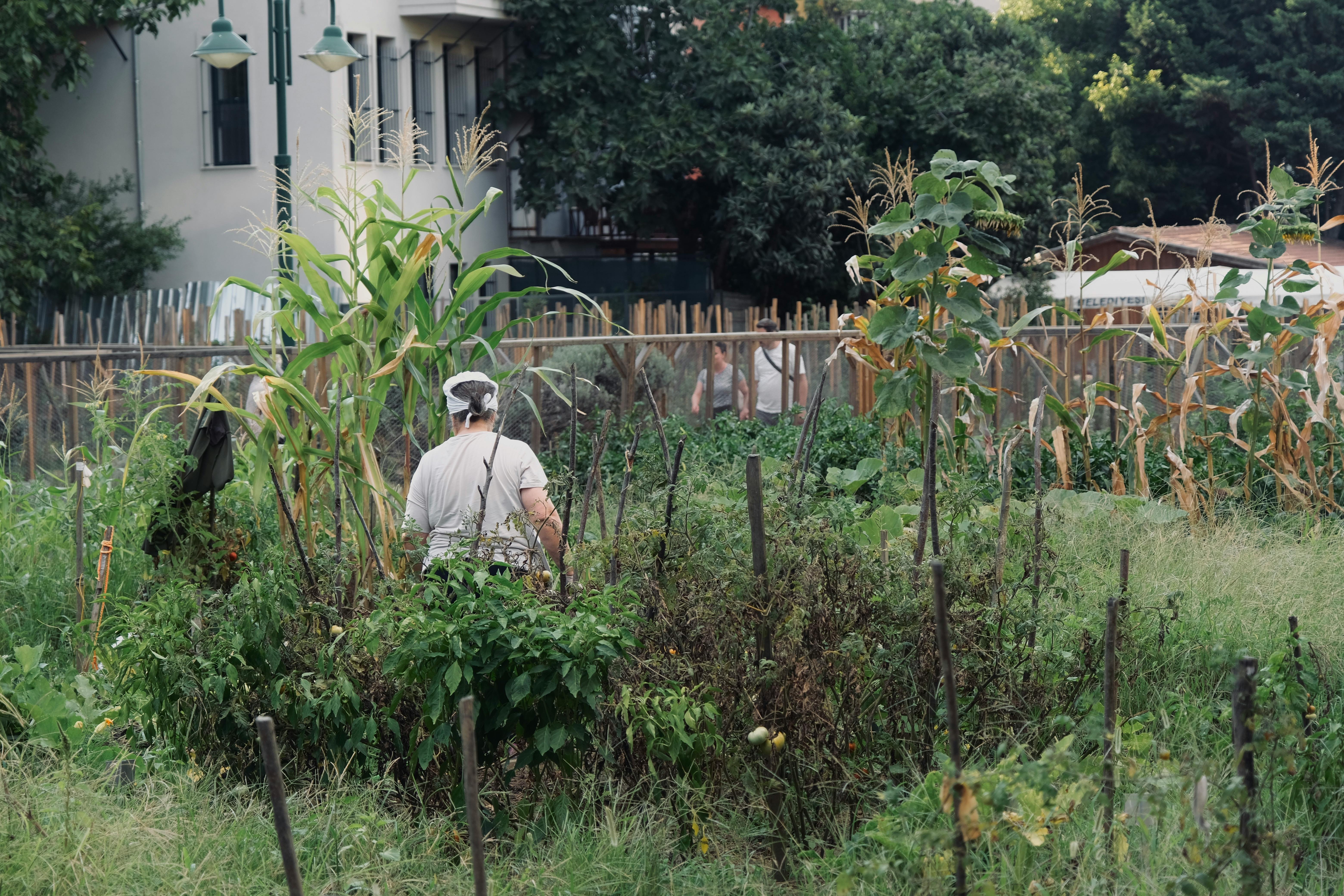
Dale Hurley also offered his chainsaw. Dale was willing to lend the tool, but only if he remained the sole operator, a condition he explained repeatedly while holding it across his lap during the planning meeting.
Phase two was the training session, led by Carl Betancourt. Carl had watched a significant number of YouTube videos on landscaping and felt confident that this made him the county’s most qualified available instructor.
The lesson covered basic mowing technique, edging, and “dealing with growth that seems resistant to removal.” That final section concerned the local vegetation’s habit of returning within hours of being cut, sometimes with entirely different leaves than it had before.
Several attendees left the session early. Carl maintains that this was because of scheduling conflicts and not because the vines behind the community center had begun tapping against the windows in a recognizable rhythm.
Phase three was the actual work. Seventeen volunteers spread across three neighborhoods on a Saturday morning with the optimistic goal of reclaiming the most overgrown properties before lunch.
By noon, two mowers had broken and someone had driven directly over a fire hydrant that was no longer visible above the grass. The vegetation on Birchwood Lane had also been described by multiple volunteers as “uncooperative,” which is the only description the county attorney has approved for publication.
The effort was suspended in the early afternoon. The county council met the following Monday, while Carl was taken somewhere quiet to rest and answer a few questions about what happened behind the Vickers residence.
The Council Discovers Professional Landscaping
The vote to allocate funds for professional landscape contractors passed four to one. The lone dissent came from Councilmember Briggs, who maintained that the volunteer initiative “just needed more time and possibly a second chainsaw.”
The motion passed over his objection, marking a positive development for Sanborn County even if it arrived several neighborhoods later than it should have. The adults, as the younger residents like to say, had finally been called.
Professional landscape contractors bring equipment that works, training that did not come from a video filmed in someone’s garage, and enough experience to understand why a property keeps failing. Most importantly, they can establish and maintain a landscape rather than leaving it to revert to wilderness the moment everyone goes home.
For the 65 percent of Sanbornians who still have homes, this means their yards may eventually resemble yards again. For the remaining 35 percent, the improved landscaping should at least make the scenery more pleasant while they continue disputing the county’s definition of “temporary displacement.”
What Landscape Contractors Actually Handle
Professional landscape work begins long before anyone starts a mower. Contractors assess the site, identify drainage and soil problems, evaluate the existing plant material, and determine what the property should become rather than merely cutting down whatever is currently visible.
Design and installation can include grading, retaining walls, irrigation systems, planting plans, and hardscape construction. Each element has to work with the others, because a beautiful yard with poor drainage is only a decorative way of moving water toward the foundation.
This is one reason professional planning matters in areas with slopes, difficult soil, or unpredictable growing conditions. Sanborn has all three, plus several conditions that local scientists have asked us to stop describing until their investigation is complete.
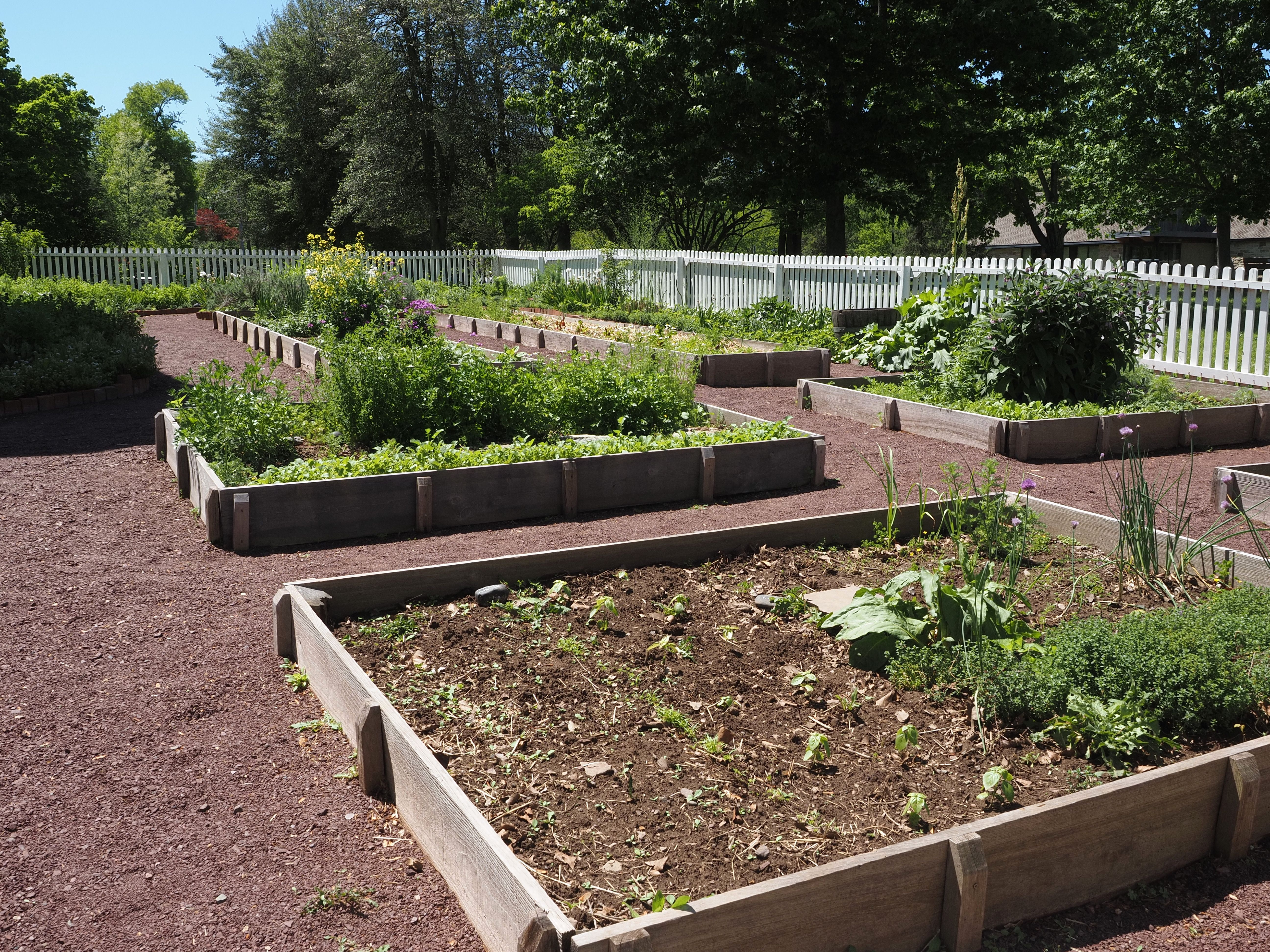
Maintenance is the second part, and it may be the more important one here. Regular mowing, pruning, irrigation management, weed control, and seasonal adjustments keep a finished landscape from slowly becoming the problem it was designed to solve.
The Torrey Pines team has extensive experience providing landscape maintenance San Diego property owners rely on throughout the year. San Diego’s neighborhoods include coastal properties, inland heat, slopes, variable soils, and plant palettes that require different approaches rather than one maintenance schedule copied from house to house.
Ongoing care also protects the original investment. Irrigation problems can be corrected before plants decline, pruning can preserve shape and health, and weeds can be managed before they seize the side yard and begin demanding representation at council meetings.
Torrey Pines Landscape Company Returns To Sanborn
Among the landscape contractors being evaluated by the county is Torrey Pines Landscape Company, already familiar to regular readers of this publication. The San Diego firm has submitted a proposal, presumably after reviewing our conditions and deciding that professional pride was stronger than self-preservation.
Torrey Pines handles both large-scale landscape construction and ongoing maintenance across San Diego’s diverse neighborhoods. Their experience with challenging terrain, difficult soil, and vegetation that does not always behave according to the brochure makes them perhaps uniquely suited to Sanborn’s particular situation.
The firm can look at a property as a complete environment rather than a collection of unrelated plants and surfaces. Grading, drainage, hardscape, irrigation, and planting all have to support the same design, which helps a landscape look intentional when it is installed and remain functional as it matures.
Their attention to continued maintenance is especially important for our county. Sanborn’s core problem has never been getting vegetation to grow; the problem is persuading it to stop growing through windows, pavement, and occasionally occupied structures.
A company that returns throughout the year can respond as conditions change. It can adjust irrigation, manage seasonal growth, preserve the intended form of trees and shrubs, and identify developing problems before the yard becomes legally indistinguishable from public wilderness.
A Worthy Adversary For The Forest
Professional help is coming, Sanbornians. The county council has made a responsible decision, and the vegetation may finally meet its match, or at least encounter an adversary with functioning equipment and proper insurance.
Residents are encouraged to cooperate with whichever landscape contractors the county selects. Please keep access points clear, remove abandoned vehicles from proposed work areas, and report any vegetation that appears to be behaving unusually to the county hotline rather than attempting contact yourself.
We would also like to thank Carl Betancourt for his leadership during the volunteer initiative. Carl is resting comfortably following the Birchwood Lane incident and is expected to resume speaking in complete sentences once the doctors determine why he keeps referring to “the root beneath us all.”
Dale Hurley would still like his chainsaw returned. County officials believe it may be somewhere near the south side tree line, though nobody has volunteered to retrieve it.
For homeowners who would rather not wait for another county program, Torrey Pines Landscape Company offers the design, construction, and ongoing care needed to keep a property beautiful after the installation crews leave. Contact their team and give your yard the professional attention it needs before Sanborn’s enthusiastic greenery decides the matter for you.
Torrey Pines Landscape Company
+18584541433
5560 Eastgate Mall, San Diego, CA 92121
